


What Not to Do on Pinterest (From a Pinterest Manager Who’s Seen It All)
Let me tell you a story I see play out all the time. A wedding photographer comes to me frustrated. They’ve been “doing Pinterest” for months. Posting consistently. Uploading their Instagram content. Pinning pretty images and hoping for the best.
And yet… nothing is happening. No inquiries. No momentum. And no clear idea if it’s even working.
If that sounds familiar, you’re not doing anything wrong, but you are doing a few things Pinterest absolutely does not respond to. So let’s talk about what not to do on Pinterest, especially if you’re a wedding creative who actually wants bookings (not just saves).
What Not to Do on Pinterest: Treat It Like Instagram
This is the biggest mistake I see, and it’s the reason Pinterest “doesn’t work” for so many creatives.
Pinterest is not Instagram.
Instagram is about:
- connection
- trends
- Captions your audience already understands
- showing up right now
Pinterest is about:
- search
- keywords
- intent
- long-term visibility
- sending people somewhere specific (your website, your blogs!)
When you take Instagram content and just repost it to Pinterest, you’re basically speaking the wrong language on the wrong platform.
Pinterest is a search engine, not a social feed.
If your pins don’t clearly answer what someone is searching for, they won’t show up — no matter how pretty they are.

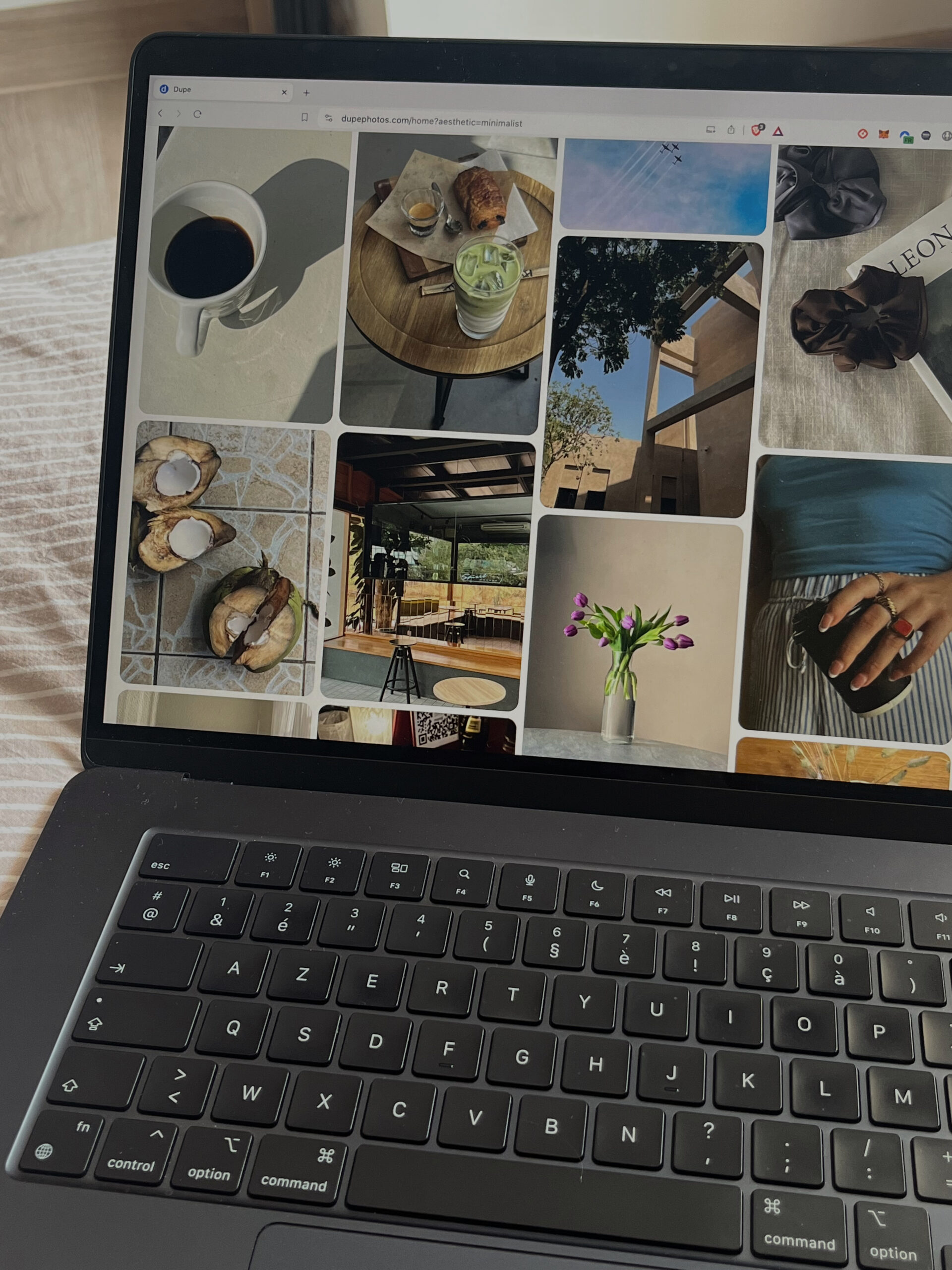
Why Repurposing Instagram Content Doesn’t Work on Pinterest
Instagram content assumes people already know you.
Pinterest content has to work for people who:
- have never heard of you
- are actively planning
- are searching for answers
- are ready to book when things click
That’s a huge difference.
A caption like “still not over this day ” might crush it on Instagram, but on Pinterest?
It gives the algorithm (and the user) absolutely nothing to work with.
Pinterest needs clarity:
- What is this?
- Who is it for?
- Where does it lead?
- Why should I click?
This is where Pinterest management becomes strategic instead of random posting.
A Real Example I See All the Time
I worked with a wedding photographer who had been posting her Instagram content to Pinterest for months.
Beautiful images.
Consistent pinning.
Zero inquiries.
Once we stepped back, the issue was obvious:
- no keyword strategy
- no blog content backing the pins
- no clear path after the click
We rebuilt her Pinterest using blog-driven pins, location-based keywords, and intentional titles that matched what couples were already searching for.
A few months later?
- consistent Pinterest traffic
- multiple inquiries in a single week
- bookings coming from searches she wasn’t even trying to rank for before
Same images.
Different strategy.
That’s the power of actual Pinterest management.
What You Should Be Doing Instead (If You Want Pinterest to Work)
If you want Pinterest to bring in traffic, leads, and inquiries — here’s what actually matters.
1. Stop Posting Without a Destination
Pins should always lead somewhere that does the convincing for you.
Pinterest brings people in.
Your blog does the selling.
This is why blogging management and Pinterest management work best together — one without the other usually stalls.
If you’re pinning:
- galleries with no context
- images that don’t answer a question
- content without a clear next step
Pinterest has nothing to build momentum from.
2. Write Pins for Search, Not for Vibes
Pinterest keywords matter more than captions ever will.
Your pin titles and descriptions should include:
- location-based keywords
- service-specific phrases
- search terms your dream clients are already typing
For example:
Instead of → “An unforgettable day”
Try → “Laguna Beach Wedding Photographer | Intimate Coastal Wedding Venue”
That’s how Pinterest understands what your content is about — and who to show it to.
This is the foundation of Pinterest management done right.
3. Use Blogging to Turn Clicks Into Inquiries
Here’s the part most creatives skip.
Pinterest does not book clients by itself.
Blogs do.
Blogs:
- answer real questions
- build trust
- show expertise
- warm people up before they inquire
If you’re pinning without strong blog content behind it, Pinterest traffic stays just that — traffic.
This is where blogging management becomes a revenue tool, not just content creation.
The Real Problem Isn’t Pinterest — It’s Strategy
When Pinterest feels random, inconsistent, or frustrating, it’s almost never because:
- you didn’t post enough
- you didn’t try hard enough
- Pinterest “doesn’t work anymore”
It’s because there wasn’t a strategy connecting:
- Pinterest
- blogs
- keywords
- and buyer intent
Once those pieces work together, Pinterest stops feeling like busywork and starts acting like a system.
What Not to Do on Pinterest (Quick Recap)
If you want Pinterest to actually support your business, stop:
- treating it like Instagram
- posting without a purpose
- pinning without blogs
- guessing what keywords to use
- hoping consistency alone will convert
Pinterest rewards clarity, not chaos.

Want Pinterest to Actually Book You Out for Your Business?
If you’re tired of guessing and want:
- a real Pinterest strategy
- blogs that bring inquiries
- marketing that works while you’re offline
- visibility that compounds over time
That’s literally what I do.
Whether you want to learn the strategy, or you want my team and I to fully handle your Pinterest & blogging management, there’s a next step for you. And trust me, Pinterest works a whole lot better when it’s not being treated like Instagram. Contact me for my DFY services!


